

Introduction
Marriage creates a family environment, and people strive to create a peaceful and safe atmosphere in which their emotional and sexual needs are best met. Satisfaction of these needs and emotional and sexual satisfaction can influence other aspects of a person’s individual and social life. Sexual satisfaction, as a subjective assessment, includes affective reactions stemming from an overall assessment of sexual relations [1-4]. It is defined as an emotional response to sexual experience and an overall positive assessment of sexual relations [5]. In fact, sexual satisfaction is not limited to physical pleasure alone but also includes all the emotions a person experiences, considering both the positive and negative aspects of sexual relations. It encompasses a person’s satisfaction with all activities that lead to an ultimate sexual pleasure.
The most important definition of sexual satisfaction is provided by the World Health Organization, which states that sexual satisfaction is one of the key factors in achieving sexual health. It is associated with components associated with human sexual and erotic desires and is considered the final stage of the human sexual response. Sexual satisfaction, leading to sexual health, is based on enjoyable, safe, and non-coercive relationships free from violence, in which a person’s sexual rights are respected [6].
Studying the factors influencing sexual satisfaction and identifying the necessary prerequisites for increased sexual satisfaction is of great importance. One variable influencing sexual satisfaction is the type of sexual attitude. Sexual attitude refers to the beliefs and values a person holds regarding sexual desires and behavior [7]. These attitudes are influenced by family and cultural views on sexual desires, sexual education, and a person’s past experiences. These attitudes can lead to a lack of awareness among couples and the development of inaccurate sexual beliefs that can influence a person’s sexual attitude [8].
Another factor that must be considered for achieving satisfaction in sexual relationships is emotional intimacy, as sexual and emotional relationships are inseparable and do not conflict with one another. The most meaningful experience of this type of intimacy develops in a secure family environment and can create the conditions necessary for sexual satisfaction. After marriage, people experience various types of intimacy, including emotional, psychological, sexual, physical, spiritual, aesthetic, and social-recreational intimacy [9]. In this intimacy, it is important to understand and consider the needs of the other person in order to create the foundational factors of sexual satisfaction, allowing both partners to achieve optimal sexual satisfaction. The term emotional intimacy is often used to describe the feeling of closeness between spouses. Emotional intimacy involves a feeling of closeness and similarity with another person and requires a deep understanding and recognition of the other person in order to express thoughts and feelings, which leads to mutual understanding and brings the two people closer together [10].
Another factor influencing sexual satisfaction is the level of sensation seeking. Zuckerman defines sensation seeking as a neurobiological need to experience varied, new, complex, and risky emotions and experiences [11]. Another variable that can influence sexual satisfaction is hedonism. The desire for pleasure is one of the human instincts, and sexual desire arises from the pursuit of pleasure known as hedonism. In classical psychoanalytic theory, Sigmund Freud viewed the pleasure principle as a psychological force that motivates people to seek immediate satisfaction of instinctual or libidinal impulses, such as sex, hunger, thirst, and their elimination [12]. Pleasure is one of the most important positive human emotions, implying the experience of a range of pleasant emotional and physical states [13]. Pleasure can be roughly divided into physical and higher. Physical pleasure is experienced through the senses and physiological states. In this study, the term pleasure refers to all pleasures experienced through the five senses, such as sexual activity, pleasant smells, delicious food, socializing with loved ones, viewing a pleasant sight, experiencing the pleasure of a gentle touch, etc.
In a study by Freihart et al. (2020) on the relationship between interpersonal relationships, intimacy, and sexual satisfaction, several important interpersonal factors were identified that influence sexual satisfaction. These included interpersonal intimacy, sexual compatibility, and understanding, all of which are associated with increased sexual satisfaction. Conversely, factors such as discrepancies in sexual desire and sexual dysfunction decrease sexual satisfaction. Furthermore, this study suggests that important interpersonal factors, including intimacy, may be predictors of sexual satisfaction [14].
Werner, Bergman, and Lahn (2023) concluded in their study titled “The Importance of Sexual Pleasure: Its Definition and Assessment” that to achieve sexual satisfaction and overall physical and sexual pleasure, a person must experience a desire for sensory stimulation (with a sensitive arousal system) and a desire for pleasure. Furthermore, the ability to experience pleasure, which includes responding with interest, anticipating, and completing such stimulation, is essential for achieving pleasure. This study suggests that having the ability and potential to experience pleasure may be a good predictor of sexual satisfaction [15]. Another study by Smith et al. (2019) titled “Having Sexual Activity with Pleasure in Adults” found that men and women who were sexually active in the past year and who engaged in more frequent hugging, kissing, and sensory and physical contact during sexual encounters reported higher levels of life satisfaction and sexual satisfaction [16].
In our culture, sexual satisfaction is considered a taboo topic, and therefore, due to the lack of research in this area, further research is needed. This study examining the sexual satisfaction of childless women in a specific cultural region may help develop culturally appropriate interventions. Decreased responsiveness of women to their husbands’ sexual desires is another factor highlighting the need for research on female sexual satisfaction, as reduced sexual satisfaction can lead to diminished sexual desire in women and cause them to reject their husbands’ sexual advances, ultimately distancing themselves from their relationships.
Material and Methods
Study design and sampling
This study was descriptive and correlational in nature. The goal was to predict sexual satisfaction based on four psychological and behavioral constructs: emotional intimacy, sexual attitude, hedonism, and sensation seeking. The target group consisted of married childless women who attended health centers in Kazeroun, Iran, in the second half of 2024. Due to the sensitive nature of the topic and cultural taboos surrounding sexuality, many potential participants declined to participate. Consequently, 150 women who met the inclusion criteria and provided informed consent were selected through nonprobability convenience sampling. Participants were asked to complete a structured questionnaire.
The inclusion criteria were:
• Married women
• Education level: from high school diploma to bachelor’s degree
• Childless
• Current use of contraceptives
• No history of divorce or unsuccessful marital relationships.
The exclusion criterion was represented by an unwillingness to complete the questionnaire.
This sampling method was chosen due to lack of access to a full list of eligible individuals and limitations in random sampling at the health centers.
Data collection procedure
Data were collected using self-administered paper questionnaires distributed to eligible participants at the health centers. After explaining the study objectives and obtaining informed consent, participants completed the questionnaires in private settings to ensure confidentiality and reduce response bias. Data collection took place over a three-month period in the second half of 2024 under the supervision of trained research assistants. An overview of the study design and participant selection process is presented in Figure 1.
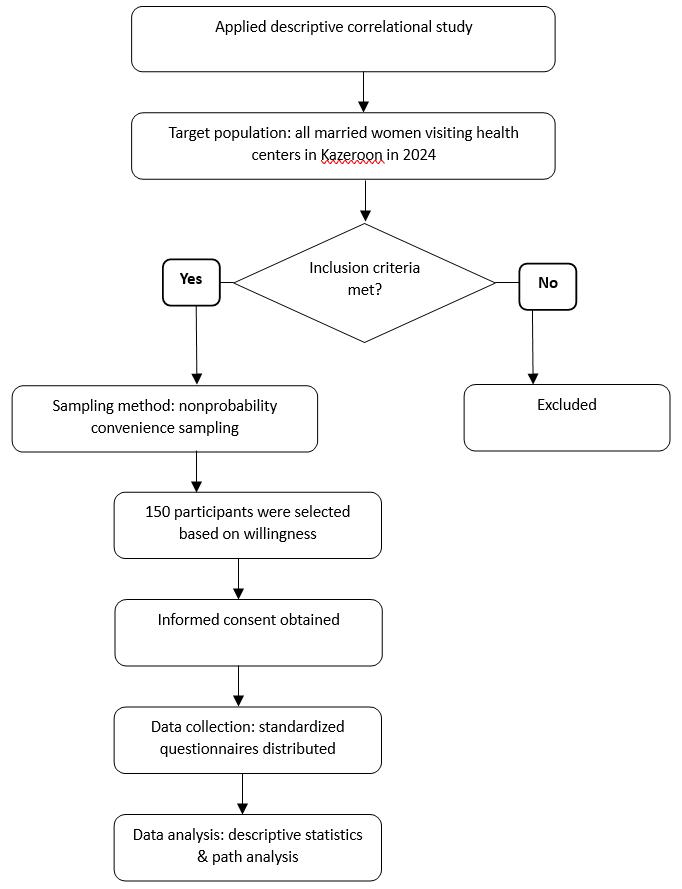
Figure 1. Flowchart of the study design and participant selection process.
Research instruments
Eight questionnaires were employed in this study to collect data to measure the variables.
Hudson, Harrison and Crosscup Sexual Satisfaction Scale. This questionnaire developed by Hudson-Harrison and Crosscup (1981) is used to assess female sexual satisfaction. The questionnaire includes 25 items, and responses are analyzed on a 7-point Likert scale ranging from 0 to 6 pts. Participants’ total scores range from 0 to 15 pts. Higher scores on this scale reflect higher sexual satisfaction. Scores from 27 to 67pts. indicate low sexual satisfaction, scores from 67 to 100 pts. indicate moderate sexual satisfaction, and scores above 100 pts. indicate high sexual satisfaction. The validity and reliability of this scale were tested by its developers (Hudson and Crosscup). Cronbach’s alpha was estimated at 0.91 [17].
Besharat Sexual Knowledge and Attitude Scale. Developed by Besharat in 2005, this instrument consists of 20 questions assessing two subscales: sexual knowledge and sexual attitude. Responses to each question are recorded on a 5-point Likert scale. The minimum and maximum scores for each subscale are 10 and 50 pts., respectively. In addition to the two scores for sexual knowledge and sexual attitudes, a total score from 20 to 100 pts. is calculated for each participant [18].
Walker and Thompson Emotional Intimacy Scale. This scale was developed by Walker and Thompson (1983). It consists of 17 questions designed to assess affection and intimacy. The scale is rated on a 7-point Likert scale ranging from 1 (Never) to 7 (Always). The participant’s scores on the intimacy scale are analyzed based on the obtained results. Scores from 17 to 34 pts. indicate a low level of intimacy, scores from 34 to 85 pts. specify a moderate level of intimacy, and scores above 85 pts. indicate a high level of intimacy in the relationship. Fisher and Corcoran (2018) assessed the reliability of this questionnaire using a Cronbach’s alpha coefficient of 0.97 [19].
Zuckerman Sensation-Seeking Scale. This questionnaire (1990) has two response options, A and B; it assesses a person’s sensation-seeking tendencies. This questionnaire consists of 40 questions and measures sensation seeking along four dimensions: adventure, experience seeking, disinhibition or impulsivity, and boredom susceptibility. After completing the questionnaire, if a person’s answer matches the scoring key, one point is awarded. After summing up the scores, the range is from 0 to 40 pts., and then the person’s sensation-seeking level is classified as average, below average, low, very low, high, or very high based on the mean and standard deviation. The reliability of this scale was estimated by Zuckerman and Eysenck (1978) at 0.85-0.86, while Corola (1988, cited in Haghighi et al.) reported a reliability coefficient of 0.88 [20].
Snaith-Hamilton Pleasure Scale (SHAPS). This questionnaire was developed and validated in 1995. It is suitable for research purposes and consists of 14 closed-ended questions based on a five-point Likert scale. Scores can range from 0 to 42 pts. This questionnaire measures four dimensions: interests and entertainment, social interaction, sensory experience, and food and drink experience [21].
Statistical analysis
Data collected from the questionnaires were analyzed using SPSS 2015 and AMOS 2015 software. The analysis was conducted in several steps to ensure the validity and reliability of the results. First, descriptive statistics were calculated, including means, standard deviations, skewness, and kurtosis, to summarize the variables and assess the data distribution. Normality was confirmed, as skewness and kurtosis values were within the acceptable range of -2 to +2.
Before conducting structural equation modeling (SEM) using AMOS, assumptions such as outliers, multicollinearity, and normality of residuals were carefully assessed. Outliers were identified using casewise diagnostic plots, while multicollinearity was assessed using tolerance (>0.01) and the variance inflation factor (VIF<10). Residuals were tested for homoscedasticity and linearity using scatterplots of residuals against predicted values.
SEM was employed to test the hypothesized relationships and simultaneously examine both direct and indirect effects between variables. Model fit was assessed using several indices: the goodness-of-fit index (GFI) and the adjusted goodness-of-fit index (AGFI) with thresholds above 0.90; the parsimony normed fit index (PNFI) and the parsimony comparative fit index (PCFI) ranging from 0.50 to 1.00; the root mean square error of approximation (RMSEA) was less than 0.10, and the normalized chi-squared (χ²/df) was less than 3. Significance of path coefficients was determined by critical ratios (t-values) exceeding ±1.96 at a significance level of 0.050. Mediation effects were tested using the Sobel test. Finally, the coefficient of determination (R²) was used to measure the explained variance of the key outcome variables. All tests were two-tailed, with p<0.050 considered statistically significant.
Results
Sociodemographic characteristics of the sample
The study included 150 childless married women. In terms of age, the majority of participants (49.3%) were between 36 and 40 years old, followed by 23.3% between 31 and 35 years old, 15.3% between 20 and 25 years old, and 12% between 26 and 30 years old. This suggests that the majority of participants were in their late 30s. In terms of education, 57.3% of the women had a bachelor’s degree, 24.6% had an associate degree, and 10% received high school diploma.
Descriptive statistics
Before moving on to the data analysis stage, Table 1 presents a descriptive summary of the study variables. As can be seen, all skewness and kurtosis values are within the acceptable range of -2 to +2, implying a normal distribution of the data.
Table 1. Study variables: descriptive statistics
|
Variable |
Mean |
Standard deviation |
Skewness |
Kurtosis |
|
|
Sensation seeking |
Sensation seeking |
9.24 |
4.24 |
0.59 |
0.10 |
|
Experience seeking |
5.31 |
1.80 |
0.08 |
-0.62 |
|
|
Adventure seeking |
2.49 |
1.27 |
-0.03 |
-0.51 |
|
|
Boredom susceptibility |
3.43 |
1.22 |
-0.36 |
-0.22 |
|
|
Novelty seeking |
2.04 |
0.83 |
0.57 |
-0.07 |
|
|
Birth control avoidance |
0.85 |
0.71 |
0.22 |
0.99 |
|
|
Sexual satisfaction |
111.75 |
27.54 |
-0.99 |
0.04 |
|
|
Sexual attitude |
37.73 |
5.01 |
-0.35 |
0.49 |
|
|
Hedonism |
59.99 |
6.40 |
-1.13 |
1.34 |
|
|
Emotional intimacy |
100.56 |
19.74 |
-0.82 |
-0.23 |
|
Inferential statistics
Since descriptive analysis is insufficient without inferential analysis, conducting the latter without considering its assumptions is also inappropriate. In this study, path analysis was used for data analysis. Before applying this method, key assumptions for parametric analysis were checked in four main steps:
Step 1. Outlier detection. Casewise plots were used, and no outliers were detected.
Step 2. Skewness and kurtosis analysis. Results were within the acceptable ranges (described previously).
Step 3. Multicollinearity check. Tolerance and the VIF were checked to ensure the absence of multicollinearity among the predictors. As shown in Table 2, all VIF values were significantly below the threshold of 10, and tolerance values were above 0.01, indicating no issues with multicollinearity.
Table 2. Multicollinearity Indicators of study variables
|
Variable |
Tolerance |
VIF |
|
Sensation seeking |
0.37 |
2.64 |
|
Experience seeking |
0.44 |
2.25 |
|
Adventure seeking |
0.47 |
2.11 |
|
Boredom susceptibility |
0.69 |
1.44 |
|
Novelty seeking |
0.74 |
1.34 |
|
Sensation avoidance |
0.80 |
1.25 |
|
Sexual attitude |
0.55 |
1.80 |
|
Hedonism |
0.54 |
1.86 |
|
Emotional intimacy |
0.56 |
1.76 |
Step 4. Testing the normality of residuals. A scatterplot of residuals versus predicted values showed no linear relationship between them, which was consistent with the linearity assumption. This suggests that the residuals follow a random distribution, confirming the normality assumption (Figure 2a, 2b). The data are distributed around the bisector of the first and third quadrants; therefore, the residuals are normally distributed.
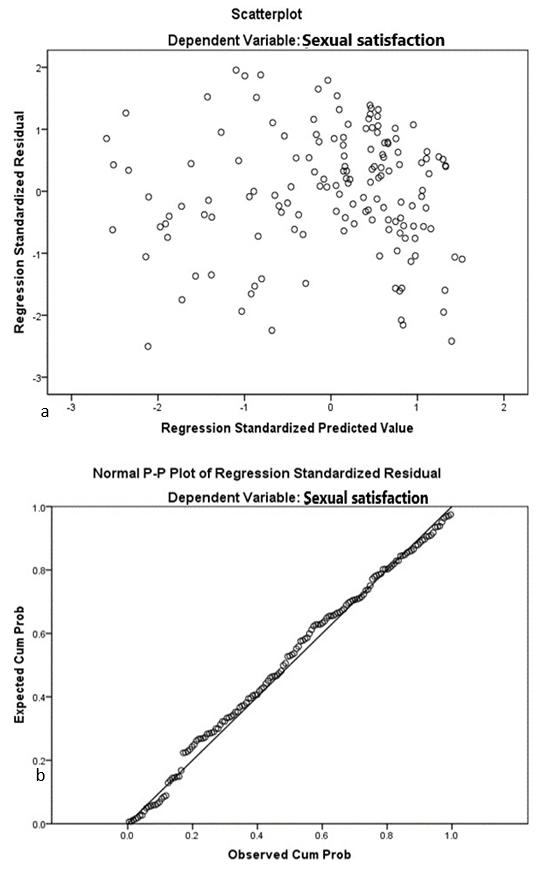
Figure 2. a) Scatterplot of standardized residuals versus predicted values for the dependent variable ‘sexual satisfaction’. b) Normal P-P plot of regression standardized residuals for the dependent variable ‘sexual satisfaction’.
Table 3 presents the correlation matrix of the study variables. Emotional intimacy showed strong positive correlations with sexual attitude, hedonism, and especially sexual satisfaction, indicating its central role in sexual well-being. Sexual attitude was also positively associated with hedonism and sexual satisfaction. In contrast, sensation seeking had weak negative correlations with emotional intimacy, sexual attitude, and sexual satisfaction. The significance levels of these correlations are shown in Table 3.
Table 3. Correlation matrix of study variables
|
Variables |
1 |
2 |
3 |
4 |
5 |
|
Emotional intimacy |
- |
||||
|
Sexual attitude |
**0.58 |
- |
|||
|
Hedonism |
**0.53 |
**0.59 |
- |
||
|
Sensation seeking |
*-0.12 |
*-0.13 |
*-0.12 |
- |
|
|
Sexual satisfaction |
**0.96 |
**0.58 |
**0.54 |
*-0.12 |
- |
* p<0.05, ** p<0.01.
Model fit assessment
According to the results presented in Table 4, the values of each of the model fit indices range from 0 to 1 and all exceed 0.90, indicating good model fit. In this model, the absolute fit indices (GFI and AGFI) exceed 0.90, which is considered desirable. The parsimony normed fit and comparative fit indices (PNFI and PCFI) also show acceptable values, each ranging from 0.5 to 1. RMSEA is 0.09, indicating acceptable model fit. The normalized chi-squared value also yields the desired result of 2.98. Overall, a comparison of the absolute fit indices for the overall model with the corresponding threshold values shows that the collected data are within the acceptable range, thereby supporting the proposed model (Figure 3).
Table 4. Model fit indices for path analysis
|
Index type |
Index |
Acceptable range |
Proposed model |
|
|
Absolute fit indices |
GFI |
Goodness-of-fit index |
0.90 – 1 |
0.91 |
|
AGFI |
Adjusted goodness-of-fit index |
0.90 – 1 |
0.91 |
|
|
Chi-Squared |
Chi-squared value |
Depends on sample size / < 3 |
87.14 |
|
|
Comparative fit indices |
CFI |
Comparative fit index |
0.90 – 1 |
0.93 |
|
TLI |
Tucker–Lewis index |
0.50 – 1 |
0.88 |
|
|
IFI |
Incremental fit index |
0.90 – 1 |
0.93 |
|
|
RFI |
Relative fit index |
0.90 – 1 |
0.91 |
|
|
NFI |
Bentler–Bonnett normed fit index |
0.90 – 1 |
0.91 |
|
|
Parsimony fit indices |
PNFI |
Parsimony normed fit index |
0.50 – 1 |
0.58 |
|
PCFI |
Parsimony comparative fit index |
0.50 – 1 |
0.59 |
|
|
RMSEA |
Root mean square error of approximation |
0 – 0.10 |
0.09 |
|
|
CMIN/DF |
Normalized chi-squared (χ2/df) |
<3 |
2.98 |
|
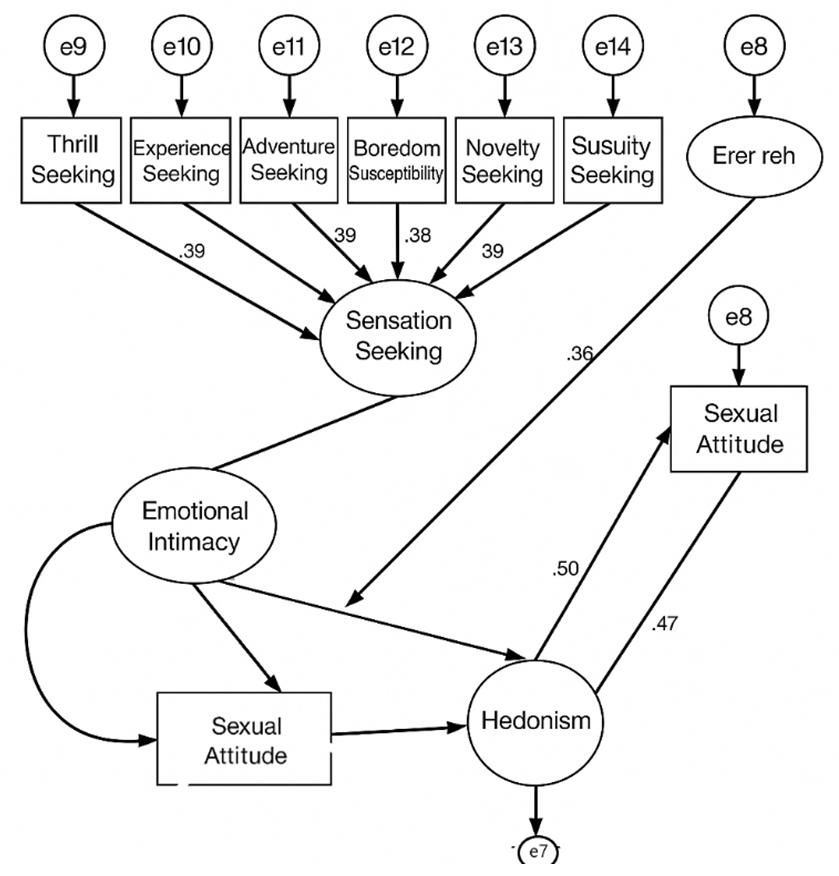
Figure 3. Research model based on standardized coefficients.
Examination of the direct and indirect effects of study variables
Table 5 presents the direct effects of emotional intimacy and sexual attitude on key psychosexual outcomes. Emotional intimacy has a statistically significant direct effect on both sexual satisfaction and hedonism, but not on sensation seeking. Similarly, sexual attitude has a significant direct effect on hedonism, while its effect on sensation seeking is statistically insignificant. The full results, including path coefficients and significance levels, are presented in Table 5.
Table 5. Direct effects of emotional intimacy and sexual attitude on key psychosexual variables (sexual satisfaction, sensation seeking, and hedonism)
|
Path |
Direct effect |
Critical ratio (t-value) |
Significance level |
Test result |
|
Emotional intimacy → sexual satisfaction |
0.93 |
34.05 |
0.0001 |
Confirmed (positive effect) |
|
Emotional intimacy → sensation seeking |
0.059 |
0.54 |
0.140 |
Rejected |
|
Emotional intimacy → hedonism |
0.28 |
3.58 |
0.001 |
Confirmed (positive effect) |
|
Sexual attitude → hedonism |
0.43 |
5.43 |
0.001 |
Confirmed (positive Effect) |
|
Sexual attitude → sensation seeking |
0.013 |
0.14 |
0.890 |
Rejected |
Table 6 presents both the direct and indirect effects of psychological and behavioral factors on sexual satisfaction. Among the direct effects, only hedonism has a significant positive effect on sexual satisfaction (β=0.23, p<0.01). Neither sexual attitude nor sensation seeking have a statistically significant direct effect.
Table 6. Direct and indirect effects of psychological and behavioral factors on sexual satisfaction
|
Test result |
Significance level |
Critical ratio (t-value) |
Direct effect |
Path |
|
Rejected |
0.720 |
0.35 |
0.02 |
Sexual attitude → sexual satisfaction |
|
Confirmed (positive effect) |
0.007 |
2.87 |
0.23 |
Hedonism → sexual satisfaction |
|
Rejected |
0.370 |
0.89 |
0.21 |
Sensation seeking → sexual satisfaction |
|
Confirmed (positive effect) |
0.040 |
2.03 |
0.064 |
Emotional intimacy → hedonism → sexual satisfaction |
|
Rejected |
0.140 |
0.54 |
0.059 |
Emotional intimacy → sensation seeking → sexual satisfaction |
|
Rejected |
0.370 |
0.89 |
0.021 |
Sensation seeking → sexual satisfaction (direct) |
|
Confirmed (positive effect) |
0.030 |
2.45 |
0.10 |
Sexual attitude → hedonism → sexual satisfaction |
|
Rejected |
0.890 |
0.14 |
0.13 |
Sexual attitude → sensation seeking → sexual satisfaction |
|
Rejected |
0.370 |
0.89 |
0.21 |
Sensation seeking → sexual satisfaction (direct) |
Regarding the indirect effects, both emotional intimacy and sexual attitude influence sexual satisfaction through hedonism, as confirmed by the Sobel test. Emotional intimacy indirectly increases satisfaction by 0.064 units through hedonism, while sexual attitude increases satisfaction by 0.10 units. In contrast, sensation seeking does not mediate the relationship between emotional intimacy or sexual attitude and satisfaction (Figure 4).
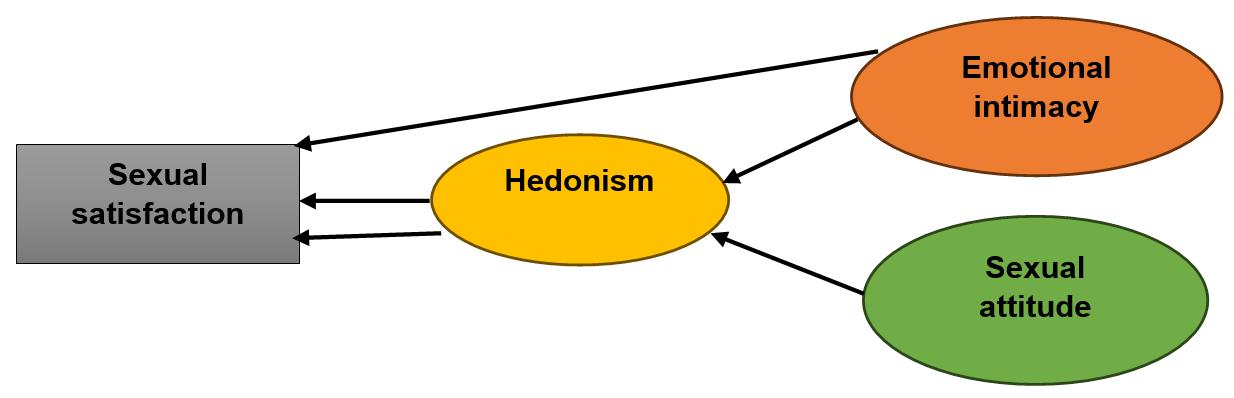
Figure 4. Model of research variables and their impact on female sexual satisfaction.
Table 7 shows the total effects between the hypothesized variables in the model. The R² coefficient of determination for sexual intimacy in explaining sexual satisfaction is 0.34, while for sexual attitude it is 0.18.
Table 7. Direct, indirect and total effects, and explained variance of variables
|
Path |
Direct effect |
Indirect effect |
Total effect |
Significance level |
|
Emotional intimacy → sexual satisfaction |
0.93 |
0.93 |
0.0001 |
|
|
Emotional intimacy → hedonism |
0.28 |
0.28 |
0.001 |
|
|
Emotional intimacy → sexual excitement |
0.59 |
0.59 |
0.140 |
|
|
Emotional intimacy → hedonism → sexual satisfaction |
0.64 |
0.994 |
0.040 |
|
|
Emotional intimacy → sexual excitement → sexual satisfaction |
0.012 |
0.9312 |
0.890 |
|
|
Sexual attitude → sexual satisfaction |
0.02 |
0.02 |
0.720 |
|
|
Sexual attitude → hedonism |
0.43 |
0.43 |
0.0001 |
|
|
Sexual attitude → sexual excitement |
0.13 |
0.13 |
0.940 |
|
|
Sexual excitement → sexual satisfaction |
0.21 |
0.21 |
0.370 |
|
|
Sexual attitude → hedonism → sexual satisfaction |
0.10 |
0.12 |
0.030 |
|
|
Sexual attitude → sexual excitement → sexual satisfaction |
0.001 |
0.0203 |
0.910 |
Overall analysis of the proposed model
Based on an analysis of all hypotheses presented in the study by AMOS 2015 and the results of the correlation analysis obtained by SPSS 2015, we revealed that some of the proposed variables in the model, such as emotional intimacy and pleasure seeking, may have a direct effect on sexual satisfaction without mediation, increasing and predicting sexual satisfaction. Furthermore, sexual attitude, through the mediating effect of pleasure seeking, may have a positive and indirect effect on sexual satisfaction and be a good predictor of sexual satisfaction. However, sexual arousal, whether direct, indirect, or mediated, has no effect on sexual satisfaction in women and cannot predict their sexual satisfaction.
Based on the analysis of the obtained data, it can be concluded that emotional intimacy and desire for pleasure have the most significant impact on female sexual satisfaction, while sexual attitude has the least impact. Conversely, sexual arousal and its subcomponents do not influence female sexual satisfaction. Therefore, based on the obtained results, the considered model can be proposed for the variables examined in this study and their impact on female sexual satisfaction.
Discussion
The goal of this study was to examine factors influencing sexual satisfaction based on emotional intimacy and sexual attitude, taking into account the mediating role of sensation seeking and hedonism. Given the stated goal and the importance of marriage and family as a fundamental issue in both individual and interpersonal aspects of mental health, examining these variables is important for strengthening marital relationships and assisting professionals in the fields of psychology and personal health.
According to our findings, emotional intimacy is directly related to hedonism, while hedonism has a significant direct effect on sexual satisfaction. Furthermore, hedonism plays a mediating role in the relationship between emotional intimacy and sexual satisfaction. Our results related to direct relationship between these variables are consistent with the studies of Werner, Bergman, and Lahn (2023); Smith, Young, Veronis, et al. (2019); Besharat and Rafieh Zadeh (2016); and Freihart, Sers, and Meston (2020) [7-15]. To explain these results, it can be argued that key interpersonal factors, such as intimacy, can serve as predictors of sexual satisfaction. Emotional intimacy alone can have a profound impact on female sexual satisfaction. Since emotional intimacy provides a safe environment, and women often perceive safety as essential for expressing their sexual desires and needs, emotional intimacy can be considered a strong predictor of female sexual satisfaction [22].
On the other hand, the presence of strong and healthy emotional intimacy between spouses encourages women to seek out more pleasurable moments with their partners, strengthening their bonds. As a result, hedonism, especially in the form of aesthetic pleasure and the experience of sensual satisfaction, when combined with emotional intimacy and acting as a mediating variable, can more effectively predict sexual satisfaction. In the realm of sexual experiences, hedonism suggests that pleasure is not just a personal goal but a critical component of overall well-being. This emphasizes that focusing on sexual pleasure can improve an individual’s quality of life and happiness. Werner, Bergman, and Lahn (2023) found in their study that achieving sexual satisfaction and physical pleasure typically requires an individual to have both a desire for sensory stimulation (i.e., a receptive arousal system) and a willingness to enjoy it. Moreover, the ability to experience pleasure by responding to it with interest, anticipation, and satisfaction facilitates the achievement of satisfaction [15]. Similarly, Smith, Young, Veronis, et al. (2019) in their study titled “Engaging in Pleasurable Sexual Activity is Associated with Well-being in Adults” revealed that men and women who were sexually active in the past year and frequently engaged in behaviors such as hugging, kissing, and physical touching reported higher levels of life enjoyment and sexual satisfaction [16].
According to our findings, emotional intimacy is not significantly associated with sensation seeking, and sensation seeking also does not have a significant direct effect on sexual satisfaction. Although some studies, such as those by Torabi, Bakshayesh, and Zarei (2019) and Salehi, Hedayati, and Aghdam (2021), have shown that sensation seeking in couples can contribute to increased sexual satisfaction, our study did not confirm this finding [23, 24].
The results of Torabi, Bakshayesh, and Zarei’s (2019) study, “Predicting Marital Satisfaction Based on Sensation Seeking and Sexual Knowledge,” showed that sensation seeking plays a significant role in predicting sexual satisfaction [19]. The lack of statistical significance in our study may be due to various factors such as study design and methodology, limited sample size, measurement instruments, characteristics of the study population (limited to the small town of Kazeroon) and other uncontrolled variables that may have influenced the results.
In our study, sexual attitude also exhibits no significant association with sensation seeking, while sensation seeking has no significant direct effect on sexual satisfaction. Although some previous studies, such as those by Torabi, Bakshayesh, and Zarei (2019) and Salehi, Hedayati, and Aghdam (2021), showed that sensation seeking in couples may contribute to increased sexual satisfaction, our research did not support this finding [18, 19]. The lack of statistical significance in these relationships may be explained by factors such as the type of employed instruments, characteristics of the study population, and other variables beyond the control of the researcher.
As noted, sexual attitude is directly related to hedonism, and hedonism, in turn, has a significant direct effect on sexual satisfaction. Moreover, hedonism acts as a mediating factor in the relationship between sexual attitude and sexual satisfaction. Regarding the direct relationships between the variables in this hypothesis, these results are consistent with the studies conducted by Smith, Young, Veronis et al. (2019); Werner, Bergman, and Lan (2023); and Motashafi, Jamshidi Manesh, and Khagani (2022) [16, 15, 25]. Our study showed that the type of sexual attitude, through the mediation of hedonism, can influence sexual satisfaction. The way women perceive and approach sexual relationships influences the degree of satisfaction they experience. Similarly, a study by Besharat and Rafieh Zadeh (2016) found a direct statistically significant relationship between sexual attitude and sexual satisfaction [22].
Sexual attitude, including beliefs about sexual roles, desires, and acceptance of certain behaviors, directly influences how women evaluate their sexual experiences. Sexual knowledge, which is closely linked to sexual attitude, plays an important role. Women with a more positive attitude and greater knowledge of sexuality education are more likely to better understand their bodies and more effectively recognize pleasurable practices. To explain these results, it can be emphasized that female sexual attitude, involving psychological and social factors, significantly influences their sexual satisfaction. An important concept in this context is sexual self-concept. Generally, more positive self-concept is associated with a favorable attitude toward sexual relationships, which ultimately leads to higher sexual satisfaction [26].
Furthermore, it appears that more traditional cultures, particularly Iran and other traditional regions, may have stronger and more positive religious attitudes toward licit sexual relations, which may make them more enjoyable, thereby leading to greater satisfaction [27]. One possible reason why hedonism plays an effective mediating role in both hypotheses may be its strong positive attitude toward sexual relations within the family. People who hold positive sexual attitude tend to be more open and tolerant of sexual pleasure, which is consistent with hedonic principles. The more accepting a person’s attitude toward sexual relations, the more likely they are to engage in pleasurable behaviors that enhance sexual satisfaction [28].
Regarding the role of hedonism as a mediating variable, it can be said that sexual attitude serves as a lens through which women interpret their personal sexual experiences. Developing a positive and mindful attitude toward sexual relations, along with emphasizing the pleasure aspect, can lead to greater sexual satisfaction. The core philosophy of hedonism accentuates the importance of pleasure and its priority in sexual relations. Research shows that people with high hedonistic tendencies are more likely to engage in sexual behavior that provides immediate pleasure. These individuals tend to report higher levels of sexual satisfaction [29]. From a neuroscience perspective, the brain’s reward systems are linked to hedonistic behavior. These systems motivate people to seek pleasurable experiences, including sexual ones. Anticipating pleasure from sexual activity can increase satisfaction, especially when people have a hedonistic mindset that emphasizes the pleasure aspect of sex [30].
In another study aimed at understanding sexual satisfaction, one of the models identifying the factors leading to sexual satisfaction was Jean-Yves Desjardins’ Sexocorporeal approach. This comprehensive model emphasizes the importance of various aspects of personality in achieving sexual satisfaction [31]. It outlines two key principles for achieving sexual satisfaction: one is the ability to enjoy the body, and the other is the presence of sexual fantasies, which essentially form the cognitive or psychological aspect of personality in sexual relations. Without these two elements, a person is unable to achieve optimal satisfaction. We discovered that pleasure seeking and desire to receive pleasure can influence female sexual satisfaction, and this pattern is consistent with other recently published studies.
Conclusion
This study revealed that emotional intimacy and sexual attitudes significantly influence sexual satisfaction among childless married women in Kazeroon, with hedonism and sensation seeking serving as significant mediators. A key contribution is the identification of the direct and indirect effects of emotional intimacy on sexual satisfaction through hedonism, highlighting the critical role of emotional connection in women’s sexual well-being. These findings offer new insights into the mechanisms underlying sexual satisfaction, emphasizing the importance of considering both emotional and behavioral components in relevant psychological models.
Limitations
This study has several limitations that should be considered when interpreting the results. First, the descriptive and correlational design and nonprobability convenience sampling method may limit the ability to establish causal relationships and reduce the generalizability of the results. The sample size was relatively small (n=150), which may have impacted statistical power and contributed to the lack of statistical significance in some results. Furthermore, the study population was limited to women attending health centers in the small town of Kazeroon, further limiting the external validity of the results for a broader population. The sensitive nature of the study topic and cultural taboos surrounding sexual matters also posed recruitment challenges and could have led to response bias. Finally, the use of self-report questionnaires, despite their proven reliability, may be subject to measurement error and social desirability bias. To overcome these limitations, future studies with larger, randomized samples in different regions and using mixed methods are recommended.
Availability of data and raw materials
The datasets used or analyzed during this study are available from the corresponding author on reasonable request.
Conflict of interest
The authors declare no conflicts of interest.
Funding
This study received no external funding.
Ethical approval
All procedures performed in this study involving human participants were in accordance with the ethical standards of the institutional and national research committee and with the 1964 Declaration of Helsinki and its later amendments or comparable ethical standards.
- Kalka D. Sexual satisfaction, relationship satisfaction, and quality of life in individuals with type 2 diabetes: Evidence from Poland. Sex Disabil 2018; 36: 69-86. https://doi.org/10.1007/s11195-017-9516-6.
- Rausch D, Rettenberger M. Predictors of sexual satisfaction in women: A systematic review. Sex Med Rev 2021; 9(3): 365-380. https://doi.org/10.1016/j.sxmr.2021.01.001.
- Fischer VJ, Andersson G, Billieux J, Vögele C. The relationship between emotion regulation and sexual function and satisfaction: A scoping review. Sex Med Rev 2022; 10(2): 195-208. https://doi.org/10.1016/j.sxmr.2021.11.004.
- Lawless NJ, Karantzas GC, Mullins ER, McCabe MP. Does it matter who you feel sexually aroused by? Associations between sexual arousal, relationship quality, and sexual satisfaction. Sex Med 2022; 10(4): 100523. https://doi.org/10.1016/j.esxm.2022.100523.
- Laxhman N, Greenberg L, Priebe S. Satisfaction with sex life among patients with schizophrenia. Schizophr Res 2017; 190, 63-67. https://doi.org/10.1016/j.schres.2017.03.005.
- WHO. Redefining sexual health for benefits throughout life. World Health Organization. 2022. https://www.who.int/news/item/11-02-2022-redefining-sexual-health-for-benefits-throughout-life.
- Briken P, Wiessner C, Štulhofer A, Klein V, Fuß J, Reed GM, et al, A. Who feels affected by “out of control” sexual behavior? Prevalence and correlates of indicators for ICD-11 compulsive sexual behavior disorder in the German health and sexuality survey (GeSiD). J Behav Addict 2022; 11(3): 900-911. https://doi.org/10.1556/2006.2022.00060.
- McAllister P, Astle S, Vennum A. Sex feelings: A mediated group path analysis of the association of perceptions of parent communicated sexual values with sexual attitudes and outcomes in emerging adulthood. J Sex Res 2022; 59(1): 112-121. https://doi.org/10.1080/00224499.2020.1869143.
- Tavaloli T, Kimiaee SA, Agha Mohammadian H. The effectiveness of marriage enrichment training of TIME Plan on improving marital intimacy and women’s psychological security. JPCP 2022; 10(3): 259-274. https://doi.org/10.32598/jpcp.10.3.857.1.
- Holdsworth K, McCabe M. The impact of dementia on relationships, intimacy, and sexuality in later life couples: An integrative qualitative analysis of existing literature. Clin Gerontol 2018; 41(1): 3-19. https://doi.org/10.1080/07317115.2017.1380102.
- Lydon-Staley DM, Falk EB, Bassett DS. Within-person variability in sensation-seeking during daily life: Positive associations with alcohol use and self-defined risky behaviors. Psychol Addict Behav 2020; 34(2): 257-268. https://doi.org/10.1037/adb0000535.
- Akhtar S, Twemlow S. Psychoanalysis, Biology, and the Human Body. In: Textbook of Applied Psychoanalysis. 1st Ed. London: Routledge. 2020; 79-138. https://doi.org/10.4324/9781003076223.
- Moskowitz JT, Cheung EO, Freedman M, Fernando C, Zhang MW, Huffman JC, et al. Measuring positive emotion outcomes in positive psychology interventions: A literature review. Emot Rev 2021; 13(1): 60-73. https://doi.org/10.1177/1754073920950811.
- Freihart BK, Sears MA, Meston CM. Relational and interpersonal predictors of sexual satisfaction. Curr Sex Health Rep 2020; 12: 136-142. https://doi.org/10.1007/s11930-020-00260-w.
- Werner M, Borgmann M, Laan E. Sexual pleasure matters–And how to define and assess it too. A conceptual framework of sexual pleasure and the sexual response. Int J Sex Health 2023; 35(3): 313-340. https://doi.org/10.1080/19317611.2023.2212663.
- Smith L, Yang L, Veronese N, Soysal P, Stubbs B, Jackson SE. Sexual activity is associated with greater enjoyment of life in older adults. Sex Med 2019; 7(1): 11-18. https://doi.org/10.1016/j.esxm.2018.11.001.
- Hudson WW, Harrison DF, Crosscup PC. A short‐form scale to measure sexual discord in dyadic relationships. J Sex Res 1981; 17(2): 157-174. https://doi.org/10.1080/00224498109551110.
- Besharat MA, Ranjbar Kelagari E. Development and validation of Sexual Knowledge and Attitude Scale. Contemporary Psychology 2013; 8(1): 21-32. Persian. https://www.sid.ir/paper/120188/en.
- Walker AJ, Thompson L. Intimacy and intergenerational aid and contact among mothers and daughters. Journal of Marriage and the Family 1983; 45(4): 841-849. https://doi.org/10.2307/351796.
- Zuckerman M, Kolin EA, Price L, Zoob I. (1964). Development of a sensation-seeking scale. J Consult Psychol 1964; 28(6): 477-482. https://doi.org/10.1037/h0040995.
- Snaith RP, Hamilton M, Morley S, Humayan A, Hargreaves D, Trigwell P. A scale for the assessment of hedonic tone the Snaith-Hamilton Pleasure Scale. Br J Psychiatry 1995; 167(1): 99-103. https://doi.org/10.1192/bjp.167.1.99.
- Besharat MA, Rafizadeh B. Predicting the level of sexual satisfaction and marital adjustment based on job variables, emotional intimacy, commitment, and sexual knowledge and attitude. Iranian Journal of Family Psychology 2016; 3(1): 31-46. Persian. https://www.ijfpjournal.ir/article_245509_en.html.
- Torabi, F., Bakhshaish, A., Zarei, H. Prediction of marital satisfaction based on the sensation-seeking and sexual knowledge. Clinical Psychology and Personality 2019; 18(1): 67-77. Persian. https://doi.org/10.22070/cpap.2020.2923.
- Yaya B, Buran A, Ulu E. Examination of sexual sensation seeking, impulsivity, relationship satisfaction and causes of infidelity in heterosexual and LGBT individuals. Current Psychology. 2026; 45(1):19. https://doi.org/10.1007/s12144-025-08817-5
- Moteshafie S, Jamshidimanesh M, Haghani S. The relationship sexual satisfaction and the marital burnout in married women of Yasouj City. Iran Journal of Nursing 2023; 35(140): 544-559. https://doi.org/10.32598/ijn.35.140.518.
- Potki R, Ziaei T, Faramarzi M, Moosazadeh M, Shahhosseini Z. Bio-psycho-social factors affecting sexual self-concept: A systematic review. Electron Physician 2017; 9(9): 5172-5178. https://doi.org/10.19082/5172.
- Abbott DM, Harris JE, Mollen D. The impact of religious commitment on women’s sexual self-esteem. Sex. Cult 2016; 20: 1063-1082. https://doi.org/10.1007/s12119-016-9374-x.
- Koós M, Orosz G, Demetrovics Z, Bőthe B. Present hedonism and future time perspectives predicting hypersexuality and problematic pornography use. Front Psychiatry 2022; 13: 914919. https://doi.org/10.3389/fpsyt.2022.914919.
- Lin L, Hua L, Li J. Seeking pleasure or growth? The mediating role of happiness motives in the longitudinal relationship between social mobility beliefs and well-being in college students. Pers Individ Differ 2022; 184: 111170. https://doi.org/10.1016/j.paid.2021.111170.
- Stolarski M, Wojtkowska K, Kwiecińska M. Time for love: Partners’ time perspectives predict relationship satisfaction in romantic heterosexual couples. Time Soc 2016; 25(3): 552-574. https://doi.org/10.1177/0961463X15596703.
- Dosch A, Rochat L, Ghisletta P, Favez N, Van der Linden M. Psychological factors involved in sexual desire, sexual activity, and sexual satisfaction: A multi-factorial perspective. Archives of Sexual Behavior 2016; 45(8): 2029-2045. https://doi.org/10.1007/s10508-014-0467-z.
Received 4 May 2025, Revised 17 June 2025, Accepted 5 August 2025
© 2026, Russian Open Medical Journal
Correspondence to Fariba Tabe Bordbar. E-mail: TabeBordbar@pnu.ac.ir.